
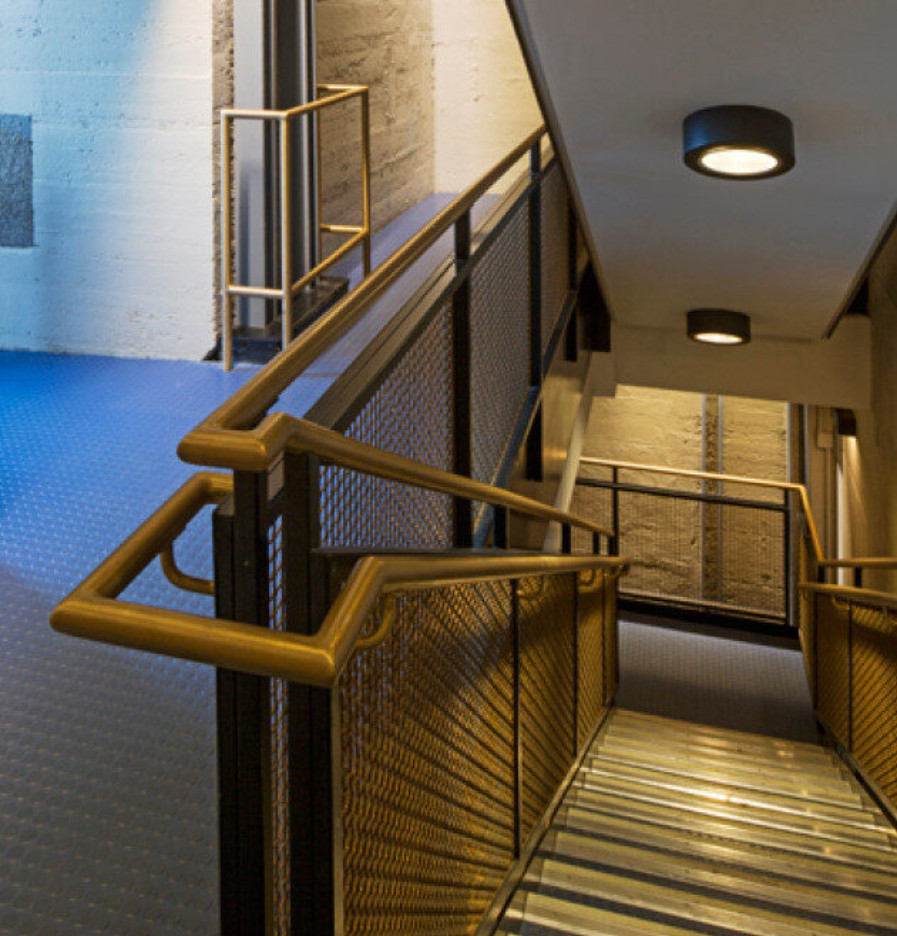
Staircases are one of the most heavily used features in any building. In commercial facilities, multi-family properties, schools, offices, and industrial sites, stair treads endure constant foot traffic, heavy loads, and environmental wear. Over time, even the most durable stair materials begin to show signs of aging.
For facility maintenance teams and property managers, the challenge becomes clear: should the entire staircase be replaced, or can the issue be resolved with a targeted solution? In many cases, a stair tread repair kit provides a cost-effective and practical alternative to full replacement.
This guide explores when a repair kit is the right choice, what types of stair damage it addresses, and how proper stair tread maintenance can extend the life of aging staircases.
Understanding Staircase Wear and Tear
Staircases deteriorate gradually. The process may begin with small cracks, chipped edges, loose nosings, or worn anti-slip surfaces. Over time, these minor issues can evolve into safety hazards.
Common causes of stair tread damage include:
- Heavy daily foot traffic
- Moisture exposure in entryways or outdoor stairs
- Temperature fluctuations that cause expansion and contraction
- Impact damage from carts, equipment, or dropped objects
- Aging materials losing structural integrity
In high-traffic environments, even concrete, wood, or metal stair treads can become unsafe if not properly maintained.
Signs That a Stair Tread Repair Kit May Be Enough
Not all stair damage requires full replacement. A stair tread repair kit is often the right solution when the structural base of the stair remains intact, but the surface has deteriorated.
Indicators that repair is appropriate include:
- Surface cracks that do not extend deep into the stair core
- Worn anti-slip strips or nosing
- Minor chipping or spalling on concrete treads
- Cosmetic damage affecting appearance but not structural strength
- Localized wear on individual steps rather than the entire staircase
In these situations, repair kits restore functionality and safety without the cost and disruption of replacing the full staircase system.
When Replacement Is Necessary
While repair kits are effective in many scenarios, they are not suitable for every case. Full stair replacement may be required if:
- The stair structure is unstable or sagging
- There is extensive rot in wooden staircases
- Steel framing shows advanced corrosion
- Concrete steps are severely cracked through the entire slab
- Building code compliance cannot be met through repair alone
Facility managers must assess whether the core structure is sound before choosing a stair tread repair kit.
Benefits of Using a Stair Tread Repair Kit
A stair tread repair kit offers multiple advantages, especially in commercial and institutional settings where downtime must be minimized.
Cost Efficiency
Repair kits are significantly less expensive than full stair reconstruction. They focus only on the damaged areas, reducing material and labor costs.
Minimal Disruption
Replacing an entire staircase may require closing access points or rerouting foot traffic. Repair kits allow maintenance teams to address specific steps quickly, often without shutting down the entire area.
Safety Restoration
Damaged stair treads can create slip and trip hazards. Repair kits restore anti-slip surfaces and even edges, reducing liability risks.
Extended Lifespan
Targeted stair damage repair extends the life of existing staircases. Instead of replacing the system prematurely, facility managers can add years of safe operation.
Types of Stair Tread Repair Kits
Different repair kits are designed for specific materials and environments.
Concrete Stair Repair Kits
These kits typically include patching compounds, bonding agents, and anti-slip overlays. They address surface spalling, cracks, and chipped edges commonly found in commercial and industrial buildings.
Wooden Stair Repair Kits
Wood repair kits may include epoxy fillers, replacement nosing, or tread caps that cover worn surfaces. They are often used in offices, residential buildings, and public spaces.
Metal Stair Repair Kits
Metal stair repairs may involve anti-slip adhesive strips, replacement tread plates, or corrosion-resistant coatings.
Choosing the correct type of stairs repair kit ensures compatibility with the existing material and environment.
Safety and Compliance Considerations
Facility maintenance teams must prioritize building code compliance and safety standards. At Wooster Products, we understand that damaged staircases can lead to accidents, worker injuries, and potential liability claims..
A properly installed stair tread repair kit helps restore:
- Slip resistance
- Uniform tread depth
- Secure nosing attachment
- Structural stability
Some repair systems are designed to meet ADA guidelines and other accessibility standards, making them suitable for public buildings.
Evaluating the Extent of Stair Damage
Before deciding on repair, conduct a thorough inspection. Look for:
- Depth and length of cracks
- Stability of stair framing
- Condition of support stringers
- Moisture penetration or water damage
- Uniformity across multiple steps
If damage is isolated to surface wear, repair kits are typically sufficient. However, widespread deterioration across many steps may indicate the need for a broader maintenance strategy.
Long-Term Stair Tread Maintenance
Preventive maintenance is key to avoiding premature replacement. Once a repair kit has been applied, ongoing care ensures long-term durability.
Best practices include:
- Regular cleaning to remove debris and moisture
- Prompt repair of minor chips before they expand
- Inspecting high-traffic areas more frequently
- Applying protective coatings where appropriate
Facility maintenance programs that include scheduled stair inspections can identify early signs of damage and reduce emergency repairs.
Cost Comparison: Repair vs. Replacement
Replacing a staircase involves demolition, material costs, labor, and potential code upgrades. It may also require temporary closure of the area.
In contrast, a stair tread repair kit focuses only on damaged surfaces. The financial savings can be substantial, especially in multi-story buildings with numerous staircases.
For many organizations, repair kits provide an excellent return on investment while maintaining safety standards.
Environmental and Sustainability Benefits
Repairing rather than replacing staircases reduces material waste and environmental impact. By extending the usable life of existing infrastructure, facilities support sustainable maintenance practices.
Many modern repair compounds are formulated to be durable and long-lasting, reducing the frequency of future repairs.
Ideal Settings for Stair Tread Repair Kits
Stair tread repair kits are particularly valuable in:
- Schools and universities
- Hospitals and healthcare facilities
- Office buildings
- Industrial plants
- Multi-family residential complexes
- Government buildings
In these settings, high traffic demands quick, cost-effective maintenance solutions.
Conclusion
Aging staircases are a common challenge in commercial and institutional properties. While full replacement may sometimes be necessary, a stair tread repair kit often provides a practical, cost-effective alternative.
When structural integrity remains intact and damage is surface-level, repair kits restore safety, improve appearance, and extend lifespan without major disruption. For facility maintenance teams focused on efficiency, compliance, and budget management, targeted stair damage repair is often the smartest approach. Contact us today to learn more about our stair repair solutions and how we can help restore safety and durability to your facility.
By assessing the extent of wear, maintaining regular inspections, and applying timely repairs, organizations can keep staircases safe and functional for years to come.
Frequently Asked Questions (FAQ)
Q1: When should I use a stair tread repair kit instead of replacing the stairs?
Use a repair kit when the structural base is sound and damage is limited to surface wear, minor cracks, or worn anti-slip areas.
Q2: Are stair tread repair kits suitable for high-traffic areas?
Yes, many kits are designed specifically for commercial and industrial environments with heavy foot traffic.
Q3: How long do repairs typically last?
With proper installation and maintenance, repairs can last several years, depending on usage conditions.
Q4: Can repair kits improve slip resistance?
Yes, many kits include anti-slip coatings or nosing components to enhance safety.
Q5: Do stair tread repair kits meet building codes?
Many modern systems are designed to meet safety and accessibility standards, but always verify compliance with local regulations.