
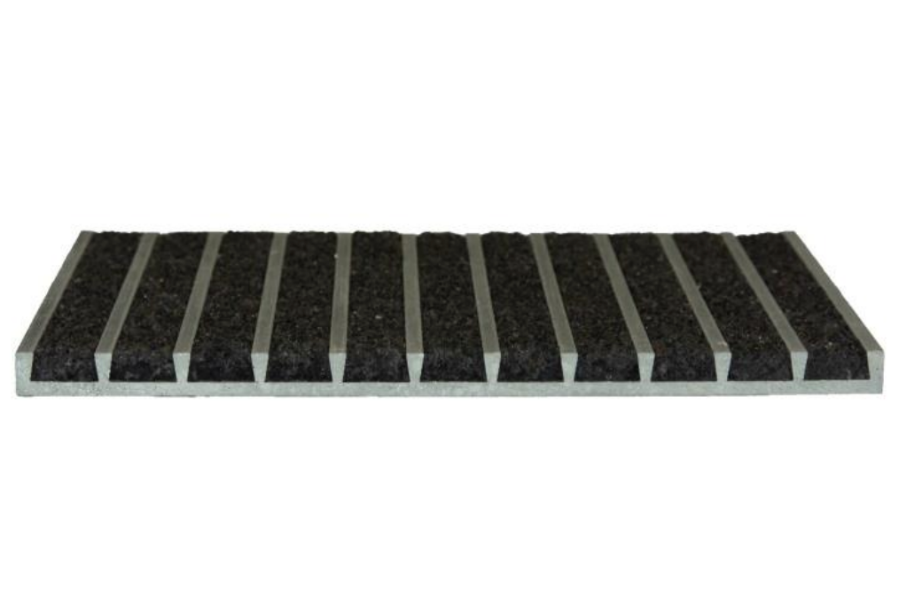
Wooster Products operates in a manufacturing space where consistency, precision, and long-term performance are essential. In commercial and industrial buildings, stairways are used daily and must function reliably under repeated foot traffic. Because stairs are a critical part of building circulation, the components that support them must be designed and manufactured with care.
Stair safety manufacturing focuses on how products perform over time rather than how they appear at installation. This approach supports safer movement, predictable stair behavior, and reduced maintenance demands across a wide range of commercial environments. Wooster Products applies this manufacturing philosophy to its stair safety solutions, keeping commercial requirements at the center of product development.
What Stair Safety Manufacturing Involves
Stair safety manufacturing involves producing components that integrate directly with stair systems while maintaining consistent dimensions and functional performance. These components must work within fixed stair geometry and cannot disrupt tread depth, riser height, or step alignment.
Manufacturing stair safety products requires careful attention to tolerances, material behavior, and long-term wear. Even minor variations can affect how a stair component fits or performs after installation. Over time, these variations may lead to uneven wear or reduced stair usability.
For commercial stairways that experience ongoing use, manufacturing reliability becomes an essential factor in overall stair performance. Consistent production helps ensure that stair safety components behave predictably from one installation to the next.
Wooster Products and Its Manufacturing Focus
Wooster Products approaches stair safety manufacturing with a focus on commercial and industrial environments. The company manufactures stair-related components designed to align with how stairs are constructed and used in these settings.
Rather than adapting residential solutions for commercial use, Wooster Products develops products intended specifically for heavier traffic conditions. This manufacturing focus supports stairs that are used continuously by employees, visitors, and the public.
By concentrating on commercial applications, Wooster Products ensures that its manufacturing processes support the performance expectations of larger buildings and shared spaces.
Consistency in Design and Production
Consistency is one of the most important elements of stair safety manufacturing. Stair components must maintain uniform dimensions so that stair geometry remains predictable across multiple stair runs and installations.
Wooster Products emphasizes controlled manufacturing practices that support consistent sizing and reliable integration with stair systems. This consistency helps maintain even tread surfaces and uniform stair edges, which are important for safe movement.
When stair components are manufactured with consistent dimensions, they help reduce irregular wear patterns. Over time, this supports stable stair performance and helps preserve the original design intent of the stair system.
Built for Commercial and Industrial Environments
Commercial and industrial buildings place greater demands on stair systems than residential spaces. Higher foot traffic, frequent cleaning, and continuous use all contribute to wear on stair components.
Wooster Products designs its manufactured stair safety solutions with these conditions in mind. Manufacturing decisions account for the realities of commercial environments rather than idealized or occasional use scenarios.
By focusing on commercial durability, Wooster Products supports stair systems that are expected to perform consistently over extended periods without frequent replacement or modification.
Why Manufacturing Quality Matters for Stair Safety
Manufacturing quality directly affects how stair safety components perform after installation. Products produced with precise tolerances fit more reliably and maintain their intended function longer.
Inconsistent manufacturing can lead to alignment issues or premature wear. Over time, these issues may affect how stairs feel underfoot or how evenly they wear. In commercial environments, such issues can increase maintenance demands.
By maintaining controlled manufacturing standards, stair safety components are better equipped to support daily use. Manufacturing quality also helps ensure that stair components integrate smoothly with surrounding materials.
Stair Safety Product Categories Manufactured by Wooster Products
Wooster Products manufactures stair safety components designed to support the performance of commercial stair systems. Each product category serves a specific role in maintaining stair durability and usability.
Stair nosings protect the leading edge of stair treads, which is one of the most vulnerable areas of a stairway. These components help maintain consistent step definition and reduce edge deterioration caused by repeated foot traffic.
Tread and floor accessories complement stair surfaces and support overall stair system performance. These components are designed to work alongside stair structures without altering their core geometry.
Together, these manufactured products contribute to predictable stair behavior in commercial settings.
Material Selection and Quality Control Practices
Material selection plays a central role in stair safety manufacturing. Commercial stair components must retain their shape and function under regular use while responding predictably to environmental conditions.
Quality control practices help ensure that materials meet design requirements before they are incorporated into finished products. Consistent material properties support reliable performance across different stair installations.
By applying quality control throughout the manufacturing process, stair safety components are more likely to perform as intended over time. This reduces the likelihood of early replacement or performance concerns.
Commercial Applications Supported by Wooster Manufacturing
Stair safety manufacturing must accommodate a wide range of building types. Office buildings, educational facilities, healthcare environments, retail spaces, and public buildings all rely on stair systems that perform consistently.
Wooster Products designs its manufactured stair safety components to support these environments. Manufacturing processes are aligned with the demands of buildings where stairways are used regularly throughout the day.
This approach helps ensure that stair components remain functional across different usage patterns without requiring frequent intervention.
How Manufacturing Standards Support Long-Term Stair Performance
Manufacturing standards influence how stair safety products perform throughout their service life. Controlled processes support uniform dimensions, reliable installation, and predictable wear patterns.
In commercial buildings, stair systems are expected to function for extended periods. Manufacturing decisions made during production have long-term effects on stair performance.
By prioritizing manufacturing standards, stair safety components can better support ongoing use without compromising stair geometry or usability.
Aligning Stair Safety Manufacturing with Project Requirements
Commercial projects often involve coordination between architects, contractors, and facility managers. Stair safety components must integrate smoothly with overall building plans.
Wooster Products aligns its manufacturing approach with common project requirements, supporting compatibility with standard stair materials and predictable installation outcomes.
This alignment helps reduce complexity during installation and supports consistent performance once stair systems are in use.
Conclusion
Stair safety manufacturing plays an essential role in the long-term performance of commercial stair systems. Consistent design, reliable materials, and controlled production processes all contribute to safer and more durable stairways.
Wooster Products approaches stair safety manufacturing with a clear focus on commercial requirements and dependable performance. By emphasizing consistency and durability, Wooster Products supports stair systems used across a wide range of building types. For project-specific questions or manufacturing guidance, contact us today.
FAQ
Q1: What is stair safety manufacturing?
Stair safety manufacturing involves producing components designed to support consistent stair performance in commercial and industrial environments. It focuses on durability, precise dimensions, and reliable integration with stair systems.
Q2: Why is manufacturing quality important for stair safety products?
Manufacturing quality affects how well stair components fit, how evenly they wear, and how reliably they perform over time. Consistent production helps maintain predictable stair use in high-traffic buildings.
Q3: Are stair safety products different for commercial buildings compared to residential spaces?
Yes. Commercial stair safety products are manufactured to handle higher foot traffic, ongoing use, and long-term performance requirements that are not typical in residential settings.
Q4: What types of stair components are typically manufactured for commercial safety applications?
Common components include stair nosings and tread or floor accessories that help protect stair edges and support overall stair system performance.
Q5: How does manufacturing consistency support long-term stair performance?
Consistent manufacturing helps maintain uniform dimensions and predictable behavior across stair installations, which supports durability and reduces maintenance needs over time.