
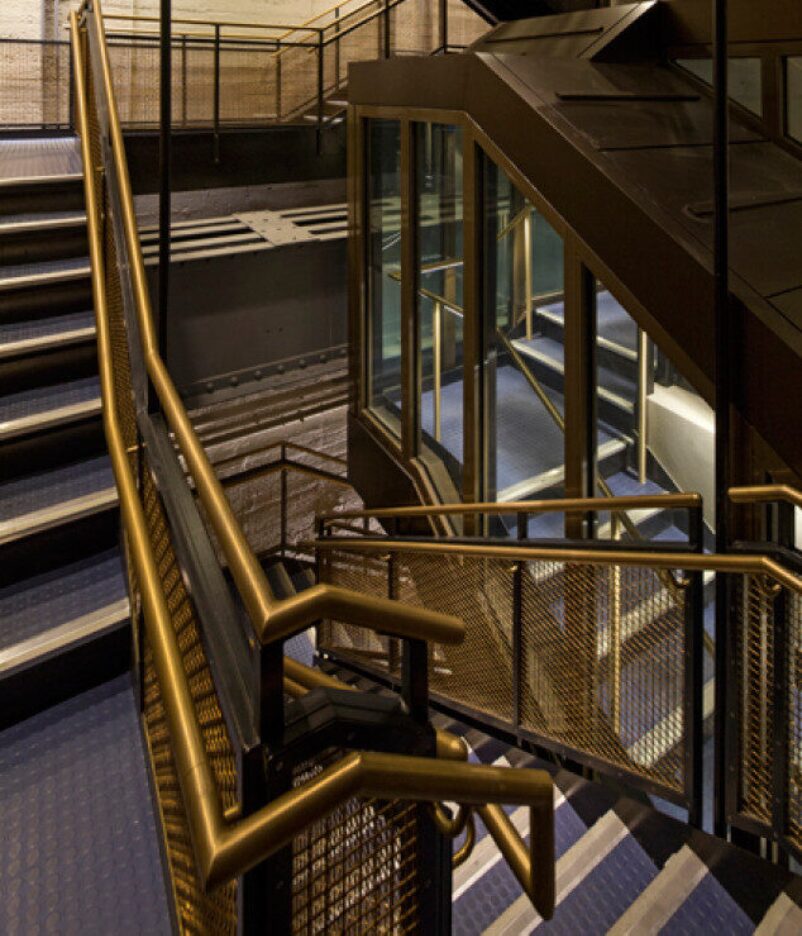
Staircases are among the most heavily used structural elements in commercial, institutional, and multi-residential buildings. Every day, hundreds or even thousands of people rely on stairways to move safely between floors. Because of this constant use, stair treads experience significant wear over time. Unlike other building components that are only occasionally touched or used, stairs are exposed to repetitive foot traffic, environmental exposure, and continuous friction from footwear.
As surfaces become smooth, traction decreases. Even small amounts of moisture or dust can create hazardous conditions. What may initially appear as minor surface wear can quickly evolve into a serious safety concern, particularly in high-traffic environments such as office buildings, public facilities, schools, hospitals, or industrial plants.
When structural integrity remains intact, the real issue is surface traction not structural weakness. This is where stair tread inserts offer a practical and cost-effective alternative. By addressing the exact area where slip hazards develop, inserts restore grip and improve safety without the need for major reconstruction.
What Are Stair Tread Inserts?
Stair tread inserts are retrofit safety components embedded into existing stair treads. They are specifically designed to restore traction in worn staircases without replacing the entire step or structure.
These inserts are typically installed into a groove cut near the nosing of the step, where they provide maximum grip. Because this location receives the most foot pressure during use, improving traction at the nosing significantly reduces the risk of slips.
Unlike temporary anti-slip tape or surface coatings, inserts are securely fitted into the tread surface. Adhesive tapes and coatings can deteriorate quickly in high-traffic areas, often peeling, cracking, or losing effectiveness over time. Inserts, however, are built for durability and long-term performance.
How Stair Tread Inserts Improve Slip Resistance
The primary benefit of stair tread inserts is increased surface friction. The textured material enhances grip underfoot, reducing the likelihood of slipping during ascent or descent.
Stair accidents most commonly occur when individuals shift their balance at the edge of a step. By reinforcing this critical area, inserts provide reliable traction where it matters most.
This localized upgrade delivers measurable safety improvements while preserving the existing structure. Property owners can enhance traction without affecting the design or functionality of the staircase.
In addition to improving traction, inserts also protect the underlying stair material from further wear. The durable surface absorbs the friction from foot traffic, preventing additional erosion of the original tread material.
Why Full Replacement Isn’t Always Necessary
Full stair replacement involves demolition, construction, material costs, and often significant downtime. At Wooster Products, we understand that in commercial or public facilities, this process can interrupt daily operations and inconvenience building occupants.
Construction activities may require stair closures, safety barriers, and alternative access routes for building users. In busy environments such as hospitals, office buildings, or schools, this type of disruption can be extremely challenging to manage.
Additionally, full stair replacement is often far more expensive than necessary. Many staircases remain structurally sound even when their surface traction has deteriorated.
Supporting Risk Reduction and Liability Control
Slip-and-fall accidents can result in serious injuries and substantial financial consequences. Falls on staircases are particularly dangerous because they can involve multiple impacts as a person loses balance and tumbles down several steps.
In addition to medical costs and legal expenses, these incidents can also damage a company’s reputation and create long-term liability risks.
Proactively improving stair traction demonstrates responsible property management. When building owners take visible steps to improve safety, it helps protect both occupants and the organization itself.
Installation and Maintenance
Professional installation ensures that inserts sit flush with the stair surface, preventing trip hazards while maximizing grip. Proper installation also ensures that the inserts are aligned correctly along the stair nosing.
The process typically involves preparing the tread, cutting or cleaning the installation groove, securing the insert, and inspecting alignment for a clean finish. Experienced installers ensure the insert fits securely within the stair surface.
Because the inserts are embedded rather than glued onto the surface, they are far less likely to fail under heavy use.
Maintenance requirements are minimal. Regular cleaning and occasional inspection are generally sufficient to maintain performance. Dust, debris, and buildup should be removed periodically to ensure that the textured surface continues to provide optimal grip.
Long-Term Value
Stair tread inserts provide more than immediate slip resistance. They offer long-term operational and financial benefits for property owners and facility managers.
First, they extend the useful life of existing stairs. By protecting the stair surface from continued wear, inserts help prevent the need for future repairs or replacements.
Second, they reduce ongoing maintenance costs. Instead of repeatedly applying temporary traction solutions such as tapes or coatings, building managers can rely on a more durable safety upgrade.
Third, improved traction enhances the overall perception of building safety. Visitors, employees, and tenants feel more confident using stairways that appear well-maintained and secure.
Conclusion
Aging staircases do not automatically require full replacement. In many cases, the structure remains strong while the surface traction has deteriorated.
This distinction is important for property owners seeking practical solutions that improve safety without unnecessary construction. Contact us today to learn how our expert solutions can help enhance safety and extend the life of your stair systems.
Stair tread inserts offer a durable, cost-effective way to restore slip resistance and improve safety without major construction. By focusing on targeted traction enhancement, they address the root cause of many stair accidents.
By reinforcing the most critical part of the stair the nosing these inserts provide meaningful protection while preserving the existing staircase structure.
For commercial buildings, institutional facilities, and multi-residential properties, this retrofit solution offers an efficient way to upgrade safety and extend the life of existing infrastructure.
FAQ
1. What are stair tread inserts?
Stair tread inserts are durable traction components installed into existing stair treads to improve slip resistance without full replacement.
2. Are stair tread inserts suitable for commercial buildings?
Yes. They are widely used in offices, schools, warehouses, healthcare facilities, and multi-family properties where slip prevention is a priority.
3. How long do stair tread inserts last?
With professional installation and routine maintenance, high-quality inserts can perform effectively for many years, even in high-traffic environments.
4. When should inserts be used instead of replacing stairs?
If the stair structure is stable but the surface has become worn or slippery, inserts are usually the most practical and cost-effective option.